One Aluminum Part Changes Everything
The presence of a single aluminum component on an otherwise steel vehicle doesn't just add a line item to the repair — it changes the physical requirements of the entire operation. This is not a matter of preference or shop convenience. It is a matter of metallurgy and the risk of galvanic corrosion.
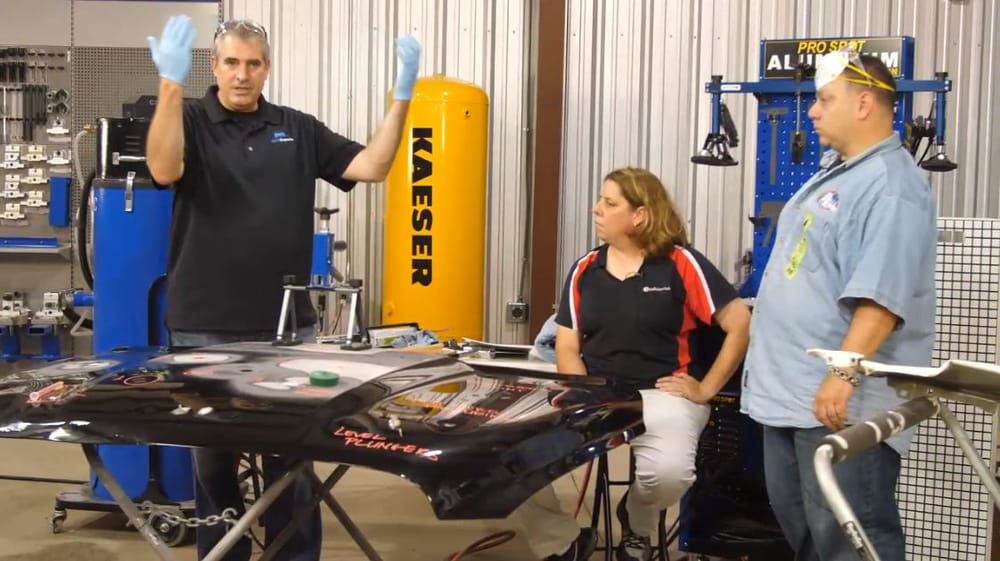
During a "Repair University Live" episode on Collision Hub, a panel of experts including Vehicle Collision Experts CEO Mark Olson, P&L Consultants co-owner Larry Montanez, and Collision Hub CEO Kristen Felder made the case that shops cannot simply clear a corner of the floor and work on an aluminum panel with existing tools. The consequences are predictable and expensive.
"You need that dedicated area when you're fixing a door ding on an aluminum panel," Olson said.
The Galvanic Corrosion Risk
The core problem is galvanic corrosion — an electrochemical reaction that occurs when two dissimilar metals are in contact in the presence of an electrolyte. Aluminum corrodes galvanized steel, which accounts for roughly 80 percent of a typical vehicle's steel content. The reverse is also true: bare or mild steel can accelerate corrosion of aluminum, particularly when the zinc galvanic coating on the steel has been disturbed during grinding or scraping.
Aluminum particles from filing, grinding, or sanding travel through air and settle on steel surfaces. If those particles reach the steel substrate, the reaction can begin — and once it starts, it isn't visible until the damage has progressed significantly.
Felder reinforced the tool-cost dimension: "You also need all dedicated tools for aluminum — a cost which might fall to the shop owner, as it's unrealistic to expect technicians to buy a special aluminum-only set."
What "Dedicated" Actually Means
Montanez spelled out what a true aluminum repair area requires in practical terms:
- Vacuum extraction designed specifically for aluminum dust — standard shop ventilation is not sufficient
- Explosion-proof fans, because aluminum dust is combustible under certain conditions
- Dustproof barriers — either curtains, a dedicated room, or a modified paint booth — to prevent cross-contamination with steel work areas
- A complete separate set of tools: hammers, sanders, discs, everything — not the steel set "cleaned up" for aluminum
"Even a dedicated sander, as an existing sander likely has a ton of dust jammed into it," Montanez noted.
Olson's practical tip: color-code the aluminum tools. Spray-paint them or mark them visibly so every technician knows at a glance which tools are aluminum-only. Without that visual cue, the first tech who needs a hammer will grab the nearest one without thinking about contamination.
The Cost Reality
Montanez offered a direct cost estimate for context: if it cost $250,000 to set up a proper steel repair shop, aluminum will run close to the same. That means a shop equipped to handle both is effectively operating two separate facilities under one roof.
For shops considering adding carbon fiber capability on top of steel and aluminum, Montanez estimated another $150,000 investment — essentially a third shop.
For a shop that does not specialize in these materials, the calculation is straightforward: identify aluminum-containing vehicles before the repair begins, understand what that means for workspace and tooling requirements, and make a deliberate decision about whether to proceed or refer.
The Hidden Risk: Paint Department Cross-Contamination
Olson flagged a concern that often gets missed in discussions about aluminum segregation: the paint department.
Aluminum particles are light and can remain airborne for six to eight hours after they are disturbed. During that time, they can migrate to areas of the shop that seem unrelated to the repair — including being drawn into a paint booth's air intake system. Once aluminum particles reach the paint booth and settle on a steel substrate being coated, the conditions for galvanic corrosion are in place.
The Practical Takeaway
For shops receiving vehicles with aluminum components — aluminum hoods, bumper beams, doors, or structural members — the pre-repair protocol needs to flag the material before any work begins. The repair plan must account for dedicated space and dedicated tools. That's not an optional enhancement; it's a baseline requirement for performing the work without creating a new problem while solving the original one.
Honda and other OEMs that mix aluminum and steel on their vehicles have published position statements and repair guidelines that echo this message. The principle is consistent across manufacturers: aluminum and steel cannot share tools or workspace during active repair operations.
