The Estimate Is a Legal Document
Auto body shops that adjust their estimates to match what an insurer will pay — rather than what the repair actually requires — are creating a liability problem for themselves, regardless of who initiated the shortcut.
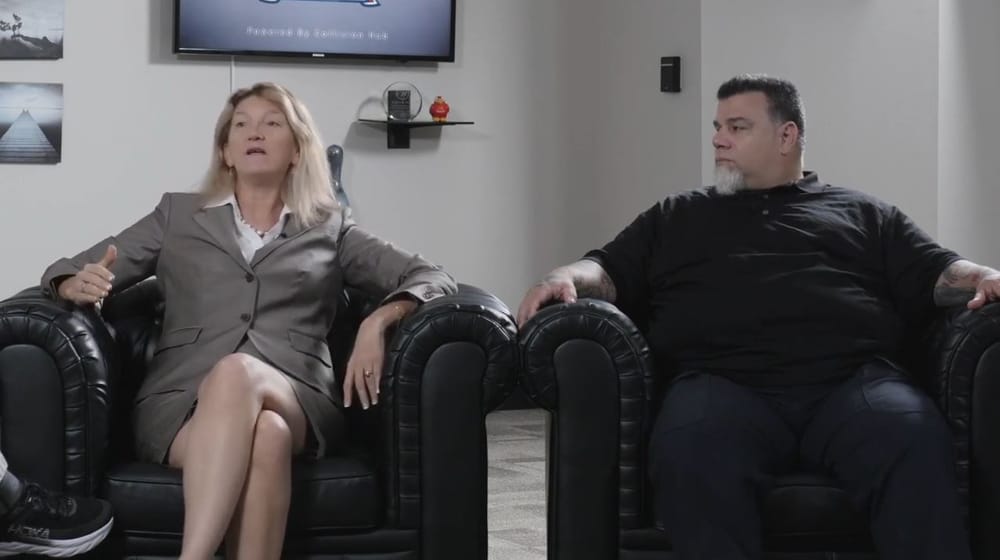
That was the clear message from collision repair experts speaking on a Collision Hub video featuring P&L Consultants co-owner Larry Montanez, Automotive Education and Policy Institute chairman Robert Redding, and Collision Hub CEO Kristen Felder. The discussion covered the legal and professional dimensions of estimate accuracy, consumer fraud risk, and why shops need to treat their estimates as precise documents rather than negotiating starting points.
What Gets Left Off Estimates — and Why
Felder opened the discussion by describing a common pattern: shops omitting labor operations from estimates not because those operations won't be performed, but because the insurer is unlikely to approve them. The logic, from the shop's perspective, is that writing a line for a procedure the insurer will kick back just creates friction.
The problem with that logic: the shop is now documenting something other than what it intends to do. If a supplement is never submitted and the omitted work is performed anyway, the shop has worked for free. If the omitted work is never done because it was never documented, the shop has delivered an incomplete repair.
Neither outcome is acceptable, and both create exposure.
Consumer Fraud: Not Just an Insurer Concern
Montanez raised a dimension that often gets overlooked: fraud is not exclusively an act against insurers. Consumers can be the victim too — and in some cases, the beneficiary of fraud, which doesn't make it acceptable.
Two examples he offered:
Upgrading parts without disclosure: A shop whose estimate reflects aftermarket parts but installs OEM components without informing the customer or adjusting the billing has committed an undisclosed upgrade — a fraud on the estimate documentation even if the consumer "won" in terms of part quality.
Unauthorized work: If a shop washes and details a vehicle and didn't note it on the estimate or obtain customer permission, a consumer could theoretically argue the shop performed unauthorized work on their property. The estimate defines what the shop has agreed to do — additions outside it require documented authorization.
Even Insurer-Driven Omissions Create Shop Liability
The discussion addressed a scenario collision repairers face regularly: an insurer tells the shop what it will and won't pay, and the shop adjusts the estimate accordingly rather than documenting the actual scope and filing a supplement.
Redding was direct on this point: the shop's liability for the repair is not diminished because an insurer declined to pay for a procedure. If the procedure is required for a safe and correct repair, the shop either performs it (and documents it, including the payment dispute) or notifies the customer that the repair cannot be completed to standard under the insurer's allowed scope.
What the shop cannot do is silently omit required procedures from the estimate and then either not perform them or perform them without billing. The first outcome is an incomplete repair. The second is unbilled labor and a documentation mismatch.
Felder noted that "even if an insurer approves" a line item, that doesn't mean the line item is correct or complete. Insurer approval and repair correctness are different questions.
Supplements Are a Professional Obligation
One theme running through the discussion: supplements are not an optional escalation path for persistent shops. They are the professional mechanism for ensuring the estimate reflects the actual repair.
Montanez described the supplement process as a diagnostic continuation — as teardown reveals additional damage or procedure requirements not visible at initial estimate, those items need to be added to the documentation before the work proceeds. Shops that skip supplements to keep cycles short or avoid insurer friction are creating a documentation trail that doesn't match the actual repair history.
That documentation mismatch is a liability risk that the shop owns, not the insurer.
Training Estimators to Document Correctly
The practical implication of the discussion is that shop estimators need training in two things most technical training programs don't emphasize: the legal dimensions of the estimate as a document, and the proper process for documenting disagreements with insurer positions.
An estimate that accurately describes the required work — including labor operations the insurer is likely to dispute — is a professionally prepared estimate. One that pre-emptively omits contested line items to smooth the approval process is a document that may not withstand scrutiny in a reinspection, a lawsuit, or a consumer complaint.
The Collision Hub panel's message: write the estimate for what the car needs, document every operation, and use the supplement process to resolve payment disputes. That is the only approach that protects the shop, the consumer, and the integrity of the repair.
