Suspension Inspection After Every Collision: What Your Shop May Be Skipping
Scanning the vehicle and measuring for structural damage are well-established steps in a proper collision repair process. But there's a third item that belongs alongside them on every intake checklist — and according to experts, most shops are skipping it routinely: a thorough suspension and steering diagnostic.
P&L Consultants co-owner Larry Montanez was direct on the point during a January 2018 "Repair University Live" broadcast on Collision Hub: "These are three things that have to be done on every collision." Scanning. Measuring. And a full suspension and mechanical inspection.
Parked Vehicles Are Not Safe Vehicles
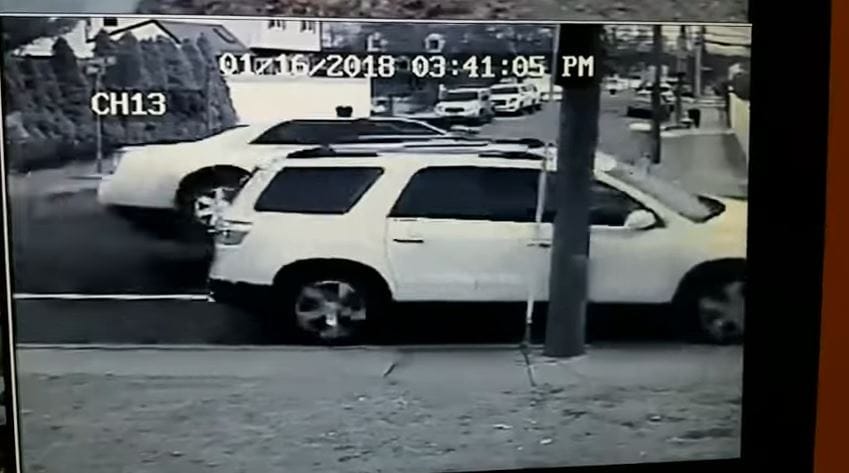
The episode opened with footage from a New York incident that illustrated the stakes vividly. A parked, unoccupied vehicle was sideswiped and launched onto a curb. As it came to rest, the passenger-side wheel could be seen rotating clockwise — then reversing counterclockwise.
Montanez's read was immediate: "The transmission's damaged in this vehicle most likely."
I-CAR curriculum and product development director Josh McFarlin explained the mechanics. The rotating wheel indicated the drivetrain had absorbed and then released energy — all while the vehicle was in park. That energy transfer stresses transmission components in ways that may not manifest as symptoms right away.
"A month to a year down the road, that impact might lead to a seized transmission," Montanez said.
If that vehicle went through a shop that focused only on the visible exterior damage, the customer would have gotten their car back with a ticking mechanical clock built into the drivetrain.
The Problem With the Traditional Three Triggers
Collision Hub CEO Kristen Felder, a former insurance adjuster supervisor, pointed out that the industry has traditionally relied on three indicators to flag a suspension inspection: impact to the wheel assembly, visible structural damage, and a vehicle that left the roadway. The problem is that these triggers don't capture every scenario where suspension damage can occur.
Felder estimated that 99 percent of shops encountering a parked vehicle with a rear or quarter-panel impact would simply proceed without inspecting the suspension. That's not speculation — it's a learned industry pattern, and it creates liability exposure.
"Every vehicle is going to need a suspension and steering diagnostic and analysis," Felder said. The suspension is the only part of the vehicle in contact with the road during a collision. That alone makes the odds of something bending or breaking "very, very high," she said.
Tire Wear Is Not a Valid Test
One of the more common misapplications in the industry is using tire wear as a proxy for suspension health. If tires look fine, the suspension must be fine — or so the logic goes.
"I think this one we overuse," Felder said.
McFarlin dismantled the assumption cleanly: tire wear reflects what has already happened to the suspension over time on the road. A vehicle with a completely healthy suspension that was just involved in a collision won't have any abnormal tire wear because it hasn't driven on the damaged suspension yet. There's been no time to develop a wear pattern.
"It's not going to show up immediately," he said.
Rack versus Ground: Both Matter
Another pitfall Felder flagged from her adjuster days was the habit of looking at suspension only on a rack. Raising a vehicle changes its geometry. What looks acceptable with the wheels hanging free might behave very differently with the vehicle at normal ride height.
McFarlin confirmed the principle: studying the car under both circumstances — on the ground, parked on a flat surface, and raised on a rack — is ideal. The ride height situation on a flat, level surface gives a more accurate picture of how components are loaded and positioned.
"You're going to have to lay down and get underneath them," Felder said.
Get the Story From the Customer
DEG Administrator Danny Gredinberg made a point that's easy to overlook in a busy shop workflow: talk to the customer. The first notice of loss report tells you what was submitted; it doesn't tell you how fast the car was going, whether it hit a curb, whether the impact lifted the vehicle, or any number of details that can direct an inspection toward damaged components.
"The story tells a lot," Gredinberg said.
Felder agreed, noting that shops relying exclusively on FNOL documentation are "missing out on so much information."
The Total Loss Angle
Beyond safety and quality, there's a purely financial argument for front-loading the suspension inspection. Montanez pointed out that a shop which repairs the visible damage on a sideswiped vehicle — without inspecting the suspension — may complete substantial work only to discover later that mechanical damage makes the vehicle a total.
That's a bad outcome for the shop, the insurer, and the customer.
"Find it early," Gredinberg said, noting that suspension and mechanical findings can be the determining factor on repair versus total. Catching those findings in the initial inspection rather than as a mid-repair supplement is the difference between a well-managed job and a disaster.
Whether a shop chooses to charge separately for not-included suspension diagnostics is a business decision. But making systematic suspension inspection "part of your process" is simply the standard of care modern collision repair demands.
