Total Loss Trends Are Pushing Customers Away From Insurers — And Toward Auto Body Shops
J.D. Power's 2015 U.S. Auto Claims Satisfaction Study delivered data that should interest collision repairers as much as insurers: total loss declarations are a significant driver of customer dissatisfaction with insurance carriers, and the trend toward more severe accidents is accelerating. For auto body shops, that means the business case for capturing more repairable vehicles — rather than ceding them to total loss thresholds — is stronger than ever.
The Shifting Mix of Claim Types
In 2011, driveable and repairable vehicles made up approximately 69 percent of auto insurance claims. By 2015, that figure had dropped to 60 percent — a nine-percentage-point shift toward more severe outcomes in just four years.
The distribution tells the story. Towed but repairable vehicles rose from 15 percent of claims in 2011 to 22 percent by 2015. Total losses claimed another 17 percent of claims. Together, severely damaged or total-loss vehicles grew from roughly one-third of claims to nearly 40 percent.
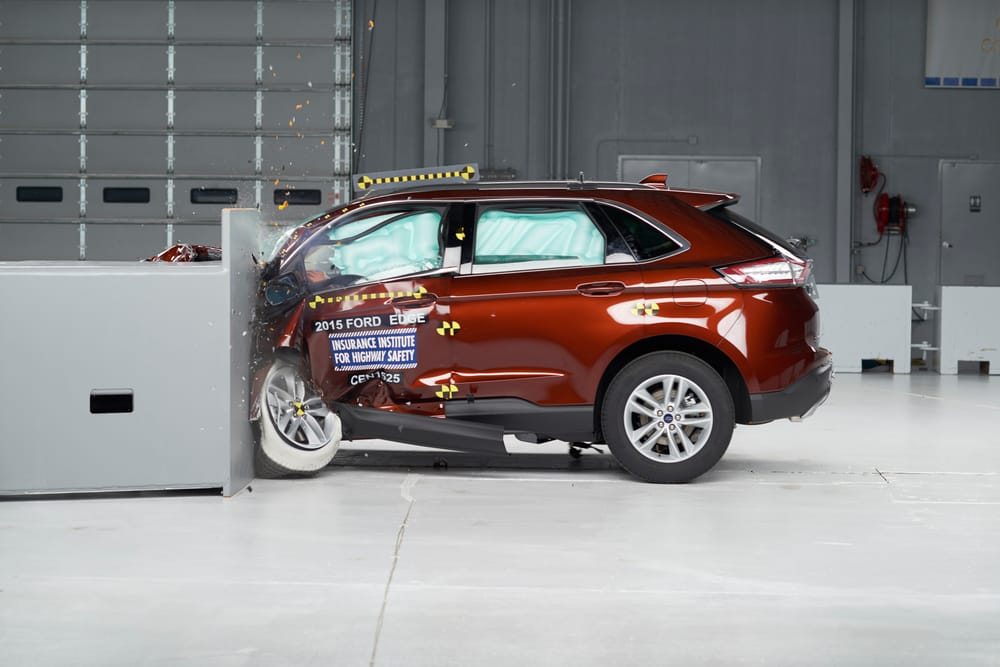
J.D. Power's insurance industry analytics Director Mark Garrett attributed much of this shift to changes in vehicle design. Modern vehicles are engineered to distribute crash energy away from the passenger compartment — which protects occupants but concentrates structural damage in the body panels and frame. The Insurance Institute for Highway Safety's introduction of the small-overlap crash test in 2012 added a new dimension of structural severity testing that prompted further design changes, likely contributing to more vehicles appearing undriveable or write-off-level after collisions that earlier models might have survived with lesser damage.
Increasing vehicle technology content also plays a role: as newer vehicles equipped with backup cameras, advanced safety systems, and expensive integrated components become a larger share of the vehicle population, the cost to repair any given amount of collision damage rises. This pushes more vehicles past total loss thresholds even when the structural damage itself isn't dramatically different from prior years.
Satisfaction Scores Show Why Total Losses Hurt Insurers
J.D. Power scored overall claim satisfaction for different claim types. Customers who drove their vehicle to the repair facility averaged a satisfaction score of 870, well above the industry average of 857. Customers whose vehicles needed to be towed but were repairable averaged 855 — still below the drive-in group, but notably improved from 839 in 2011, suggesting that insurers have gotten better at managing those claims.
Total loss customers scored only 811, the lowest figure recorded since 2011. These customers are particularly at risk of switching insurers: J.D. Power identified approximately 700 as the tipping point at which customer renewal becomes a coin flip. Below that threshold, only one in ten customers says they "definitely will" renew their policy. Among highly satisfied customers with scores above 900, retention climbs to 83 percent.
The implication for insurers is that every additional total loss declaration represents a customer relationship at heightened risk. The implication for collision repairers is that vehicles close to the total loss threshold — that a motivated, skilled shop might successfully repair — represent business with both financial and strategic value.
What Shops Can Take From This Data
The J.D. Power findings don't argue that every total-loss decision is wrong. Total loss thresholds exist for legitimate structural and economic reasons. But they do suggest that the aggregate trend toward more total losses is creating customer friction that at least some insurers may look to reduce — creating potential openings for repair shops to document repair viability more effectively and recapture vehicles that might otherwise be written off.
Shops that can demonstrate thorough, documented repair capability for severe damage — including frame work, structural welding, and modern mixed-material substrates — are better positioned to advocate for repair over replacement when the case for repair is genuine.
The data also reinforces a simpler point: when customers leave the claims process satisfied, they're more likely to stay with their insurer. Satisfaction improves when vehicles are repaired and returned rather than totaled. Collision repairers who execute high-quality, fully documented repairs contribute directly to that outcome.
